What to know about urgent rubbish removal in Tufnell Park
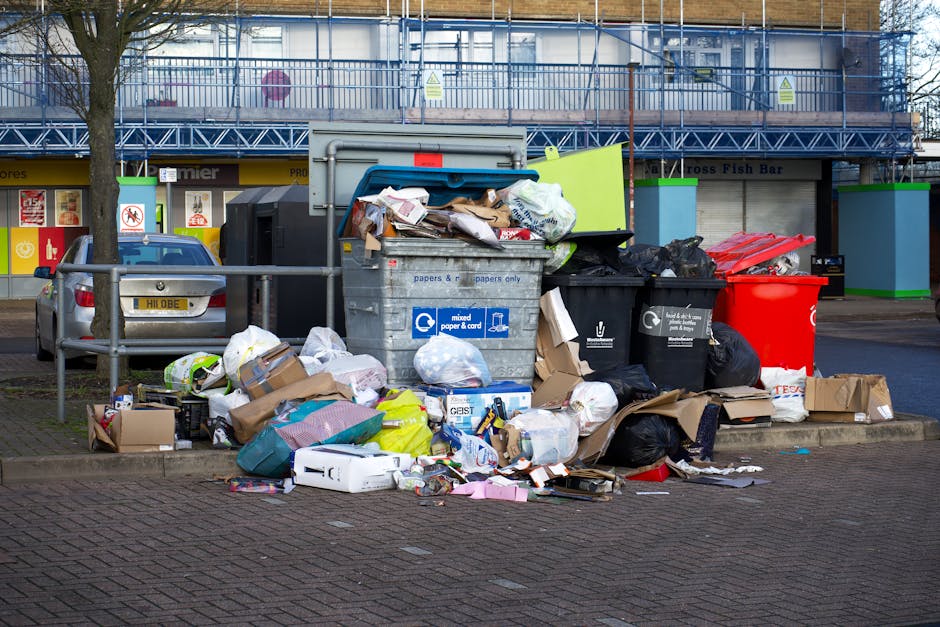
If you are staring at a pile of broken furniture, builder's rubble, or bags that suddenly need shifting today, urgent rubbish removal in Tufnell Park is one of those services that can feel like a relief before you've even booked it. The clock starts ticking fast in these situations. A landlord wants a flat empty, a hallway is blocked, or a renovation has left dust and debris everywhere. Whatever the trigger, the real question is simple: how do you get it sorted quickly without creating a bigger headache?
This guide walks through what urgent rubbish removal actually involves, how it tends to work in practice, what to expect from a reliable service, and the common mistakes that catch people out. We'll also cover practical planning tips, compliance points, and a few local realities that matter in a busy London area like Tufnell Park. Let's face it, when rubbish is in the way, you want straight answers, not a lecture.
Quick takeaway: Urgent rubbish removal is about speed, safe loading, and responsible disposal. The best results usually come from clear photos, a realistic volume estimate, and a provider that explains what can be taken, when, and how it will be handled.
Why What to know about urgent rubbish removal in Tufnell Park Matters
Urgent rubbish removal matters because delays are rarely neutral. A small pile can turn into an access problem, a safety issue, or a neighbour complaint if it sits too long. In Tufnell Park, where homes, flats, shops, and shared entrances often sit close together, clutter can affect more than just appearance. It can block stairwells, make loading awkward, and create pressure on everyone involved.
There's also the time factor. If you have an end-of-tenancy deadline, a last-minute house move, or builders waiting to continue work, waiting days for a collection is not always realistic. That's where rapid rubbish clearance becomes useful. It is not just about "getting rid of stuff"; it's about restoring order so the rest of the day can move again.
People often underestimate the stress that rubbish creates. One overflowing garage, and suddenly the whole week feels messy. One blocked loft hatch, and the job you planned for Saturday becomes a saga. Urgent clearance gives you back space, and sometimes a bit of headspace too.
It also helps prevent expensive knock-on issues. For instance, if waste is left on a property after DIY work, the mess can make it harder to finish decorating or stage the home for sale. If a business premises has waste piling up, it can affect customer perception in a way that is, frankly, not ideal.
How What to know about urgent rubbish removal in Tufnell Park Works
Most urgent rubbish removal jobs follow a fairly straightforward process, even if the situation feels chaotic. The aim is speed without cutting corners. A good service will usually ask for a description of the waste, its location, and roughly how much space it takes up. Photos help a lot, because words like "a few bags" or "quite a bit" can mean very different things.
After that, the service should confirm what can be removed, whether extra labour is needed, and any access considerations. In a flat, that might mean stairs, narrow entrances, or no parking right outside. In a house, it could be a loft, garage, or garden area with awkward access. These details matter more than people think.
Once agreed, a collection is scheduled and the waste is loaded, separated where possible, and taken away. For customers, the whole point is that the job is handled quickly and without a long chain of back-and-forth. In practice, the best jobs are the ones where both sides are clear from the start. A ten-minute call can save a lot of faff later.
If the waste includes bulky household items, it may be useful to look at related services such as furniture clearance or furniture disposal. If the job is tied to a property emptying task, house clearance or home clearance may fit better. And for mixed waste that doesn't sit neatly in one category, general waste removal is often the most practical route.
What usually needs to be clarified before collection
- The type of waste: household, garden, office, builder's, or mixed rubbish
- How urgent it is: same-day, next-day, or within a short booking window
- Access details: stairs, lift, loading access, parking, or restricted entry
- Any heavy, sharp, or awkward items
- Whether items are reusable, recyclable, or need specialist handling
Key Benefits and Practical Advantages
The obvious benefit is speed. But urgent rubbish removal also brings a few less obvious advantages that are worth calling out.
First, it reduces stress. People tend to feel better the moment waste is scheduled, even before it disappears. There is something comforting about turning "we need to deal with this" into a plan.
Second, it keeps projects moving. Builders can continue, decorators can finish, and landlords can prepare a property for the next stage. If the rubbish is in the way, time gets wasted. Simple as that.
Third, it can improve safety. Loose debris, broken glass, splintered wood, and overloaded bags are all avoidable hazards. A quick clearance helps reduce trips, cuts, and blocked access routes. That is especially important in shared stairwells or compact London properties.
Fourth, it supports responsible disposal. A professional service should not just disappear with the load and leave you guessing. Good practice is to separate materials where possible and steer items towards reuse or recycling where suitable. If sustainability matters to you, it is sensible to ask about recycling and sustainability before you book.
Fifth, it can be more efficient than doing it yourself. Hiring a van, lifting heavy items, finding disposal routes, and making multiple trips can eat up a whole day. Sometimes two, if the parking situation is awkward. A decent clearance team saves time, energy, and the inevitable "why did we think this was a good Saturday plan?" moment.
Who This Is For and When It Makes Sense
Urgent rubbish removal is useful for a surprisingly wide range of people. It is not only for dramatic emergencies. In many cases, it simply solves a problem that has become time-sensitive.
- Homeowners dealing with a sudden buildup after DIY, sorting rooms, or a move
- Tenants and landlords needing a property cleared quickly before handover or re-letting
- Builders and tradespeople who need debris removed so the next phase can start
- Flat dwellers who cannot keep large items in communal areas for long
- Businesses that need office clutter, packaging, or stock waste removed fast
- Garden owners with branches, soil, or green waste after a major tidy-up
Sometimes the trigger is emotional as much as practical. A relative's rooms need clearing. A storage space has got out of hand. The loft hatch won't close because of old boxes and half-forgotten furniture. To be fair, that is normal. Life accumulates things, and then one day it doesn't fit anymore.
If the job involves a compact property or mixed living arrangement, flat clearance can be especially helpful. For shared workspaces or stockroom clutter, office clearance and business waste removal are worth considering. If the issue is outside, garden clearance can be the right fit.
Step-by-Step Guidance
If you need urgent rubbish removal in Tufnell Park, the smoothest approach is usually the simplest one. Here's a practical sequence that works well in real life.
1. Identify what needs removing
Walk through the space and separate the waste into broad groups: general rubbish, furniture, garden waste, builders' waste, and anything potentially specialist. If you are not sure, just make a list and take a few photos. That is often enough to get things moving.
2. Check access and timing
Ask yourself a few direct questions: Can a vehicle park close enough? Are there stairs? Is the item too big for one person to carry? Would the job need to happen early, late, or within a narrow window? These little details matter because urgent jobs are won or lost on logistics, not just on volume.
3. Get clear on what is and is not included
A reliable provider should explain the service clearly. That includes loading, transport, disposal, and any special handling. If the waste includes bulky items, broken materials, or a lot of heavy lifting, make sure that is reflected in the plan. It is better to ask now than to argue on the pavement later. Nobody enjoys that.
4. Ask about sorting and recycling
Waste should be handled in a way that reflects common UK best practice: recycling where possible, careful separation of materials, and responsible disposal for the rest. If you are clearing items that might still be reusable, it is worth mentioning that early. Some furniture and household goods can be handled differently from general rubbish.
5. Confirm the booking and keep the area ready
Once booked, make the space as accessible as possible. Move anything that should be kept, secure pets, and make sure doors or gates are unlocked if needed. If the team can start quickly, the job often goes more smoothly than people expect.
6. Review the space after collection
Do a short check once the waste is gone. Look for small fragments, missed bags, or items that were tucked behind larger pieces. A quick sweep is usually enough, but it helps to finish the job properly.
Expert Tips for Better Results
A few small choices make a big difference with urgent clearance jobs. These are the things experienced customers tend to get right.
Be precise with your photos. One wide shot and one close-up usually tells a better story than three vague pictures from odd angles. Include any stairs, parking issues, or narrow halls. If the team knows what they are facing, they can prepare properly.
Keep access clear before the team arrives. It sounds obvious, but it is often the detail that saves time. A clear path to the rubbish can cut the job from "awkward" to "easy enough".
Separate sharp or hazardous-looking items. Broken glass, exposed nails, and damaged wood should be flagged early. If anything seems risky, say so. Safety is not the place to improvise.
Think about what could be reused. A chair with life left in it is not the same as a water-damaged sofa. If you are clearing furniture, a service that also understands furniture disposal can help handle different item conditions more sensibly.
Ask the boring questions. What time will they arrive? How long might it take? What happens if the load is bigger than expected? These are not dull questions. They are the questions that make the day run properly.
Don't wait until the last possible minute. Urgent does not mean chaotic. Even same-day removals go better when you call early in the day rather than after lunch with half the job already done and the bin bags multiplying. Been there, seen it.
Common Mistakes to Avoid
Most problems with urgent rubbish removal come from rushing the booking, not from the collection itself. Here are the big ones.
- Underestimating the volume. A pile that looks "small" in a hallway can become a van-filling job very quickly.
- Not mentioning access issues. Narrow stairs, no lift, or restricted parking should never be left out.
- Mixing different waste types without saying so. Builders' debris, furniture, and garden cuttings may need different handling.
- Assuming everything can be taken. Some materials need specialist handling or separate arrangements.
- Leaving fragile items packed into heavy stacks. It makes lifting harder and can create avoidable damage.
- Forgetting about the neighbour effect. In shared buildings, timing and noise matter more than you might think.
One especially common mistake is booking the fastest option without checking whether the service fits the job. Speed is useful, of course. But a quick collection that turns out to be unsuitable is not really quick in the end.
Tools, Resources and Recommendations
You do not need specialist equipment to prepare for urgent rubbish removal, but a few basic tools help.
- Bin bags or rubble sacks for lighter loose waste
- Gloves for handling dirty or sharp items safely
- Tape or labels to mark what must stay
- A phone camera for quick photos and room-overview shots
- Measuring tape if you are unsure whether bulky items will fit through doors or stair turns
- A notebook or notes app to list items and questions
For property-specific clearances, it can help to match the job to the service. For example, a messy loft full of old storage boxes may be more suited to loft clearance. A garage that has become a catch-all for broken tools, old shelves, and mystery bags may be better handled through garage clearance. If the work is linked to renovation debris, builders' waste clearance is usually the clearer fit.
It is also sensible to review service information on pricing, safety, and how a company handles payments. That can help you avoid surprises and understand what is included before the team turns up. If you want a broader overview, pricing and quotes, payment and security, and insurance and safety are all worth a look.
Law, Compliance, Standards, or Best Practice
With rubbish removal, compliance is not just a box-ticking exercise. It is part of making sure waste is handled responsibly and safely. In the UK, waste carriers and disposal arrangements should be managed carefully, and customers should be cautious about who they hand waste to. A reputable service should be transparent about handling, transport, and disposal practices.
For you as the customer, the practical takeaway is simple: choose a provider that takes duty of care seriously. That usually means they can explain how waste is sorted, where possible recycling happens, and how unsuitable or hazardous items are treated. It also means they should work in a way that protects people on-site, neighbouring properties, and the public.
Best practice also includes clear communication on the day, safe lifting techniques, and sensible routing through the property. If a team rushes around with heavy items and no plan, that is a warning sign. A good clearance is efficient, yes, but it is also controlled.
If you are comparing providers, you may also want to check how they approach complaints, policies, and general service standards. Those pages can tell you a lot about a company's habits before you hire them. For example, complaints procedure, terms and conditions, privacy policy, cookie policy, and accessibility statement all help paint that picture. A little admin, sure. But useful admin.
Options, Methods, or Comparison Table
Not every clearance needs the same approach. The best option depends on what you are removing, how quickly it needs to go, and how awkward the access is.
| Option | Best for | Advantages | Trade-offs |
|---|---|---|---|
| Urgent rubbish removal service | Same-day or next-day clearance, bulky mixed waste | Fast, labour included, less disruption | Usually more expensive than doing it yourself |
| DIY van hire and disposal | Smaller jobs with flexible timing | Full control, may suit very light loads | Time-consuming, lifting work, parking and disposal hassle |
| Task-specific clearance | Furniture, garden, loft, garage, office, or builders' waste | More tailored handling and better fit for the job | May need clearer item details before booking |
| Staged clearance | Large properties or multi-room projects | Spreads the work and keeps access manageable | Not the fastest if the situation is urgent |
For many Tufnell Park residents, the middle ground is the sweet spot: fast collection, but with enough structure to avoid mistakes. A good service should make it feel easier, not more complicated. That sounds basic, but it really is the test.
Case Study or Real-World Example
Picture a typical late-week scenario. A small flat near a busy road has been partly cleared ahead of a move. By Friday afternoon, there are broken shelves, two awkward chairs, old packaging, and a stack of mixed bags in the hallway. The landlord wants the space handed back clean, the lift is tiny, and the stairwell is not somewhere you want waste lingering until Monday.
The resident takes a few photos, notes the access issue, and asks for a quick collection. The biggest win here is not just the removal itself. It is the preparation. The waste is grouped, the things to keep are separated, and the collection is arranged with enough detail that the team can work efficiently once they arrive.
What makes this kind of job succeed? In our experience, three things: clear information, realistic expectations, and a bit of forethought. Not glamourous, admittedly. But that is usually how a messy job becomes a clean one.
And that's the point. Urgent rubbish removal works best when everyone knows what is happening, where the waste is, and how the access will work. It turns a stressful afternoon into a manageable task, which is sometimes all you need.
Practical Checklist
Use this checklist before booking urgent rubbish removal in Tufnell Park.
- Identify the type of waste and whether it is mixed
- Take clear photos from more than one angle
- Note stairs, lifts, parking, and entrance width
- Separate anything you want to keep
- Flag heavy, sharp, or awkward items
- Ask if the service can handle your specific waste type
- Check whether recycling or reuse is part of the process
- Confirm timing and any access instructions
- Review pricing, payment, and service terms
- Make the route to the waste as clear as possible
- Keep pets and children away from the work area
- Do a quick final sweep once the load is gone
If you follow that list, you will avoid most of the friction that makes urgent bookings feel stressful. It is not about being perfect. Just organised enough.
Get a free quote today and see how much you can save.
Conclusion
Urgent rubbish removal in Tufnell Park is really about getting control back quickly. Whether you are clearing a flat, preparing a house, shifting builders' debris, or removing bulky household items, the process goes best when the job is described clearly and handled with care. Speed matters, but so does safety, access, and responsible disposal.
If you remember only one thing, make it this: a rushed job is not the same as a careless one. The best urgent removals feel calm, even when the situation was messy an hour earlier. That calm is worth a lot. It gives you room to move on, and honestly, that's a good feeling.
When the clutter's gone, the space tends to breathe again. So do people.
Frequently Asked Questions
What counts as urgent rubbish removal in Tufnell Park?
It usually means a collection that needs to happen quickly, often on the same day or next day, because the waste is causing a problem, blocking access, or delaying a move, refurbishment, or tenancy handover.
Can urgent rubbish removal handle mixed waste?
Often yes, but it helps to describe the load clearly. Mixed waste can include household clutter, furniture, bags, and light DIY debris. Some items may need separate handling, so it is better to flag them early.
How do I prepare for a fast collection?
Take photos, note access details, separate what you want to keep, and make sure the route to the waste is clear. A few minutes of prep usually saves a lot of time later.
Is same-day rubbish removal always available?
Not always. Availability depends on the time of day, the size of the load, and how busy the schedule is. The earlier you enquire, the better your chances of getting a fast slot.
What happens to the rubbish after it is collected?
It should be transported for responsible sorting and disposal. Where possible, materials may be separated for recycling or reuse depending on their condition and type.
Is urgent rubbish removal suitable for flats?
Yes, and it is often especially useful in flats because access can be tight and communal spaces should not be blocked for long. Just make sure stairs, lifts, and parking are explained clearly.
Can I book urgent removal for garden waste?
Yes, provided the service handles that type of waste. Branches, hedge cuttings, soil, and other outdoor debris can often be cleared quickly through a garden clearance service.
What if I have bulky furniture to remove urgently?
That is common. Large items like sofas, wardrobes, tables, and beds are often included in urgent bookings, but it helps to mention size, condition, and how easy they are to move.
How can I avoid extra delays on the day?
Keep access clear, answer the phone if the team calls, and make sure the waste is ready to go. Delays usually come from access issues, not from the collection itself.
Do I need to know the exact volume before booking?
No, but a rough estimate helps. Photos and a simple description are usually enough for an experienced provider to gauge the job accurately.
Is urgent rubbish removal more expensive than standard removal?
It can be, because speed and same-day scheduling may affect the price. The exact cost depends on the waste type, amount, access, and the time needed to clear it.
Where can I learn more about the company behind the service?
You can review information such as about the company and service pages like waste removal to understand how they work and what they cover.