Garden Clearance in Tufnell Park

Garden clearance in Tufnell Park should leave outdoor space ready for practical use, whether that means clearing overgrown beds, removing cuttings after a tidy-up, or taking away unwanted outdoor items that have built up over time. We handle the work with a focus on sensible sorting, careful loading and a straightforward finish, so the garden is left easier to manage. The service is suited to front gardens, back gardens, shared outdoor areas and awkward corners that need a methodical approach rather than a rushed sweep-through.
Our garden clearance service can include vegetation waste, light green waste, broken planters, old edging, damaged outdoor furniture and mixed items that do not belong in the garden any more. Where material can be separated cleanly, it is sorted for the appropriate route instead of being bundled together unnecessarily. That matters when customers want the area cleared efficiently but still expect careful handling of reusable or recyclable items. The result is a more organised garden with less to sort out afterwards.
For a quotation, it helps to describe the amount of waste, the type of access and whether the clearance involves plant matter, household items or a mixture of both. Clear details make it easier to match the job to the right team and vehicle. If you already know the rough scope, that is enough to start. Use the site to request a quotation when you are ready, and we can help you plan the next step without making the process complicated.
What our garden clearance service covers
Garden clearance is broader than simple green waste removal. It may involve cutting back dense growth, gathering loose debris, loading piles of branches, shifting soil-contaminated waste and taking away objects that have no place in the garden any longer. In practical terms, the service is about restoring usable space while dealing with the mess in a controlled way. A thoughtful clearance can make the difference between a quick tidy and a complete reset of the outdoor area.
Some gardens only need a seasonal clear-out, while others require more work because the waste has collected in layers. We can clear leaves, hedge cuttings, dead plants, broken fencing sections, old pots and general outdoor clutter. Where needed, we also separate heavier or bulkier items so they are handled safely. If you have more than one type of material on site, it is worth noting that early, because mixed loads often need a more considered approach than a simple green-only collection.
Green waste and overgrowth
Overgrown gardens often contain more than the obvious hedge trimmings. There may be bramble growth, tangled stems, fallen branches, clippings from repeated trimming and garden waste hidden beneath older material. Clearing this kind of area usually starts with identifying what can be collected quickly and what needs more careful lifting or cutting. When the work is broken down into sections, the garden becomes manageable without unnecessary disturbance to the rest of the space.
How we deal with mixed outdoor waste

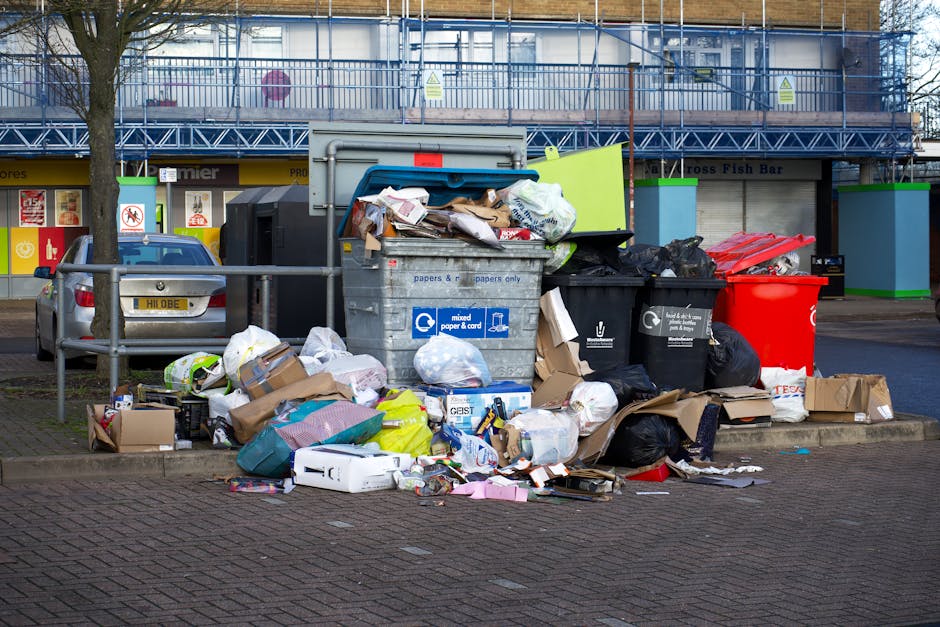
Not every garden clearance is a pure green waste job. Outdoor areas often contain a mix of old furniture, toys, plant containers, timber offcuts, garden tools and bags of material left from previous jobs. We handle mixed waste by separating sensible categories where possible, which helps keep the job orderly and avoids treating everything as one undifferentiated pile. That approach is especially useful when the garden includes both organic and non-organic items.
Practical sorting also matters when a clearance includes items that may be reusable, recyclable or simply unsuitable for ordinary garden waste handling. For example, a broken seat may sit beside hedge cuttings, or an old shed shelf may be buried under leaves and soil. In those situations, the work is best approached in stages. We load the material in a way that suits the layout of the garden, the access available and the type of waste present.
When you are preparing for a quotation, you do not need to catalogue every leaf and twig. A simple summary of the main items, any large pieces and the layout is usually enough to outline the job. If the access is through a side passage, shared entrance or narrow path, that is useful to mention too. A clearer picture at the start helps the right collection be arranged, and it keeps the clearance focused on the actual work needed.
Why careful loading matters
Garden clearance is often physically awkward work, especially where waste is damp, thorny, heavy or spread across uneven ground. Careful loading reduces damage to pathways, helps avoid dragging debris through clean areas and gives a tidier finish once the waste is removed. It also helps when the garden includes both light material and heavier objects, because the load can be balanced sensibly rather than handled in a haphazard way.
In some gardens, the main challenge is not the amount of waste but the way it is distributed. Cuttings may be trapped behind furniture, hidden under tarpaulins or spread across several planting areas. A steady, methodical clear-out is usually the best way to deal with that, because it allows each section to be checked without missing smaller bits of waste. This is particularly useful where the aim is to leave the area ready for further gardening, repairs or planting.
We also take account of items that may need more than one person to move safely. Large planters, heavy bags, timber panels and awkward outdoor pieces can often be removed without fuss when the route is planned properly. If the job involves tighter access, it may take a little more time, but that is better than forcing the work. Safe handling remains a core part of the clearance from start to finish.
Useful choices before booking
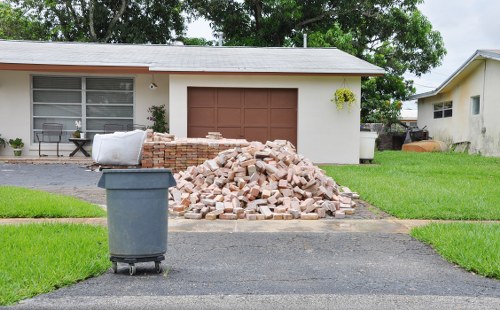
Before arranging a garden clearance, it helps to decide what should go and what should stay. Some customers only want the cuttings removed after pruning, while others want the whole outdoor area cleared of unwanted items as well. If you are unsure, it can be useful to mark the boundaries of the work area, group obvious waste together and make a brief list of the larger objects. That keeps the job focused and avoids unnecessary disturbance to plants or features that remain in place.
Another sensible step is to think about access. A clear route from the garden to the collection point makes the work smoother, particularly where waste has to pass through a house, side return or communal path. If there are gates, narrow sections, steps or locked entry points, mention them when requesting the quotation. The more accurate the access details, the easier it is to match the clearance plan to the actual site conditions.
- Separate obvious green waste from household-style items where practical.
- Note any heavy pieces, awkward dimensions or restricted access.
- Keep useful plants, ornaments or tools apart from the clearance pile.
- Be ready to describe whether the job is a light tidy or a fuller clear-out.
Garden waste removal and disposal
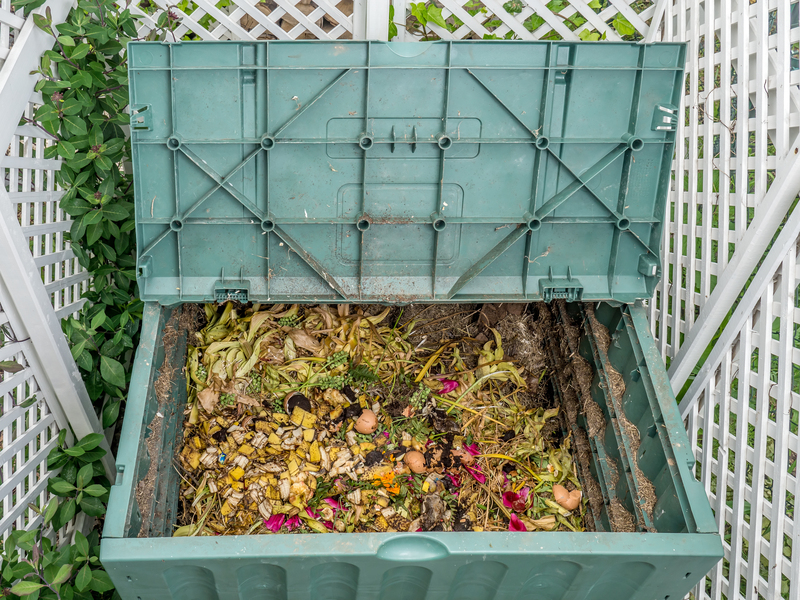
Garden waste removal is the part of the service that deals with the collected material once it has been loaded. This may include branches, cuttings, roots, leaves, stems and mixed outdoor waste that no longer has a place in the garden. Where the material is suitable for recycling or other recovery routes, we aim to separate it appropriately rather than sending it through the same route as everything else. That makes the service more organised and avoids treating the clearance as a one-size-fits-all job.
Disposal needs depend on the waste itself. Fresh green waste is different from damaged furniture, timber, broken pots or general garden clutter, so it is useful to distinguish between these at the quotation stage. That allows the right amount of labour and transport to be planned. It also gives a more accurate picture of the finished job, because an outdoor clearance rarely consists of just one material type once the work begins.
Where a garden has accumulated material from several seasons, the waste can be bulky even if it looks manageable at first glance. Clearing that properly often means lifting hidden debris from beneath visible piles and checking around beds, sheds and boundaries. The result is not only a tidier garden but a more honest clear-out, with less chance of waste being left behind in awkward corners.
Outdoor items we can remove
Many customers need more than cutting and bagging. Gardens often become storage spaces for items that were left outside temporarily and never returned indoors. We can remove a range of outdoor items where they form part of a garden clearance, including broken furniture, damaged plant containers, old garden ornaments, unused equipment and other bulky objects that make the space harder to use. The aim is to clear the items neatly rather than simply shifting them around.
Some items sit well within a standard garden job, while others are better considered as part of a broader clearance because of their size or weight. If there are timber offcuts, rusted frames or mixed outdoor materials, it is helpful to mention them at the start. That way the work can be planned around the likely handling needs rather than discovered halfway through. A clear description of the material is often enough to make the quotation process efficient.
When a garden clearance becomes a wider tidy-up
It is common for garden clearances to overlap with general outdoor tidying. A garden may need waste removed from beds and borders, but also have unwanted objects along the fence line, near a shed or beside a path. In those cases, the job works best when the clearance is approached as a joined-up task. That saves time, reduces repetition and helps produce a more consistent finish across the whole outdoor space.
Pricing factors to keep in mind

Garden clearance prices are usually shaped by the volume of waste, the type of material, the access to the garden and the amount of labour needed to collect and load everything. A neat pile of cuttings is a different job from a mixed clearance with heavy items, hidden debris and limited access. Because of that, the fairest quotation starts with a clear outline of the job rather than a guess based only on the garden size.
If the clearance includes several categories of waste, the quote may reflect the extra sorting or handling involved. Likewise, difficult access can affect the practical setup needed for the work. This is not about overcomplicating the service; it is about making sure the quoted plan reflects the real conditions on site. When the scope is described accurately, there is less chance of confusion and a better chance of a straightforward arrangement.
For a smooth quotation, it is usually enough to share the main waste types, how much you think there is, and whether the garden can be reached easily. If you are unsure of the amount, a rough estimate is still useful. We can then work from that information and provide the next step. Simple, honest details are often the best starting point for a sensible quotation.
About Tufnell Park
Tufnell Park is a district in north London best known for its position between Kentish Town, Holloway and Archway, with the area spread across parts of the London Borough of Islington and the London Borough of Camden. Its character is shaped by late nineteenth- and early twentieth-century residential development, especially the terraces and mansion blocks that line many of its streets. The area takes its name from the Tufnell family, who owned land here in earlier centuries, and the district later developed as London expanded northwards. Today it is strongly associated with tube access via Tufnell Park station on the Northern line, which sits on the border of the two boroughs and gives the area a clear identity for commuters and residents alike. Architectural detail is part of the local interest, with rows of period houses, converted buildings and a generally urban residential feel rather than a single dominant high street core. Local green spaces and nearby open areas contribute to the neighbourhood atmosphere, while surrounding roads link it closely to the wider network of north London. The area also has cultural associations through its small venues, independent shops and the wider North London context, yet it retains a quieter domestic character than some central districts. That mix of residential streets, transport links and compact urban fabric gives Tufnell Park a distinctive place within the city.
Clearing gardens of different sizes
Some clearances involve compact front gardens with a few bags of cuttings, while others cover long back gardens, shared access routes or more heavily overgrown spaces. The service should be scaled to the site rather than treated as the same job everywhere. In a smaller garden, neat removal and a careful finish may be the main priority. In a larger or more neglected space, the work may be better handled in sections so that nothing important is overlooked.
We adapt to the layout of the outdoor space and the type of material present. A garden with planting beds, sheds and paved areas may require a different approach from one that is mostly lawn or hardstanding. If the job includes several separate sections, it can help to identify the highest-priority areas first. That makes the clearance more manageable and gives the customer a clearer sense of how the space will look once the waste has gone.
Some customers prefer to keep the work focused on obvious waste only, while others want a fuller clear-out that includes neglected corners and loose materials around the edges. Either approach can be sensible depending on the garden and the intended use of the space afterwards. The important point is to make the scope clear from the start so the service matches the outcome you want.
Requesting a quotation for your garden clearance

When you are ready to ask for a quotation, the simplest approach is to describe the garden, the material to be removed and the access available. A short written summary is often enough to begin with, especially if you can mention any large items, dense overgrowth or mixed waste. If you already know that the job includes both green waste and unwanted outdoor items, say so clearly. That helps the quotation reflect the full scope of the work rather than only part of it.
It is also useful to decide whether you want a straightforward removal of waste or a broader clear-out of the area. Some customers are focused on getting rid of cuttings after pruning, while others want the whole garden made easier to use. Either way, being specific about the goal helps the quotation process stay efficient. If you are comparing options, remember that the detail matters more than a vague estimate, because garden clearances vary widely from one property to another.
Get in touch when you are ready to arrange your quotation, and we will help you take the next step. If you need garden clearance in Tufnell Park, a clear description of the waste and access is the best way to begin.